









CAN'T FIND WHAT YOU ARE LOOKING FOR? PLEASE CALL OR EMAIL US FOR PRICES
<b>WHAT</b> They say about our printing services...
What are our clients are saying about us?
In the dynamic world of veterinary care, Animal Rehabilitation Centers play a crucial role in providing specialized therapy and care for animals recovering from injuries or surgeries. Effective communication, professional branding, and informative materials are essential for the success of these centers. This is where professional printing services come into play. Printing Cafe, a leading commercial printing service in the UK, offers a diverse range of printing solutions that can significantly benefit Animal Rehabilitation Centers. This article aims to explore the necessity of printing for these centers, the specific printing needs they have, the usefulness of various printed materials, and how Printing Cafe can serve as a strategic partner in meeting those needs.
Why Animal Rehabilitation Centers Need Printing:
- Client Education: Animal Rehabilitation Centers require effective tools to educate pet owners about rehabilitation procedures, treatment plans, and post-rehabilitation care. Professionally printed brochures, flyers, and informational materials contribute to clear and concise client education.
- Branding and Professionalism: Establishing a professional and trustworthy image is vital for Animal Rehabilitation Centers. Branded materials, including business cards, letterheads, and envelopes, contribute to building a reputable brand and instilling confidence in pet owners.
- Referral Communication: Effective communication with referring veterinarians and healthcare professionals is crucial for Animal Rehabilitation Centers. Professionally printed referral pads, letters, and business cards enhance the center’s professional image and facilitate seamless communication within the healthcare network.
- Appointment Reminders: Animal rehabilitation appointments are often crucial to the recovery process. Professionally printed appointment cards and reminders contribute to client compliance, minimizing missed appointments, and optimizing the rehabilitation process.
- Patient Forms and Records: Maintaining detailed and well-organized patient forms and records is essential for Animal Rehabilitation Centers. Customized forms contribute to accurate documentation and streamlined administrative processes.
- Educational Materials: Educational materials, such as posters and pamphlets, are essential for explaining rehabilitation procedures, ensuring pet owners understand their pet’s treatment plan, and promoting post-rehabilitation care compliance.
- Branded Apparel: Custom clothing and garments, such as branded uniforms for center staff, contribute to a unified and professional appearance within the Animal Rehabilitation Center, reinforcing the center’s image.
Usefulness of Printing Products in Animal Rehabilitation Centers:
- Brochures and Flyers: Informative brochures and flyers help educate pet owners about rehabilitation procedures, treatment plans, and the benefits of rehabilitation therapy.
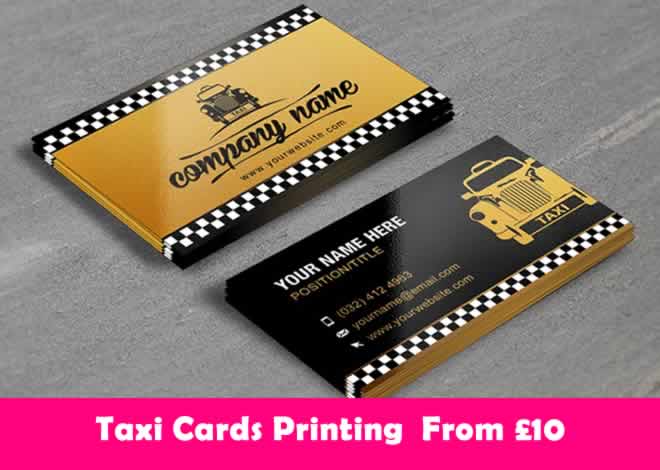
- Business Cards: Professionally designed business cards serve as a tangible reminder for pet owners, making it easy for them to contact the center for appointments or inquiries.
- Educational Materials: Posters and pamphlets play a crucial role in explaining rehabilitation procedures, treatment plans, and post-rehabilitation care, enhancing pet owner comprehension.
- Appointment Cards: Appointment cards serve as practical reminders for pet owners, ensuring they do not miss scheduled rehabilitation sessions and contributing to the overall success of the therapy.
- Branded Apparel: Branded uniforms for center staff contribute to a unified and professional appearance, reinforcing the Animal Rehabilitation Center’s image and fostering client trust.
- Referral Communication Tools: Professionally printed referral pads, letters, and business cards enhance communication with referring veterinarians, promoting a collaborative approach to pet care.
- Patient Forms and Records: Customized patient forms and records contribute to a well-organized system, ensuring accurate documentation and streamlined administrative processes within the center.
- Customized Packaging Boxes: Custom packaging boxes for pet belongings ensure a convenient and organized storage solution, enhancing the overall rehabilitation experience for both pets and their owners.
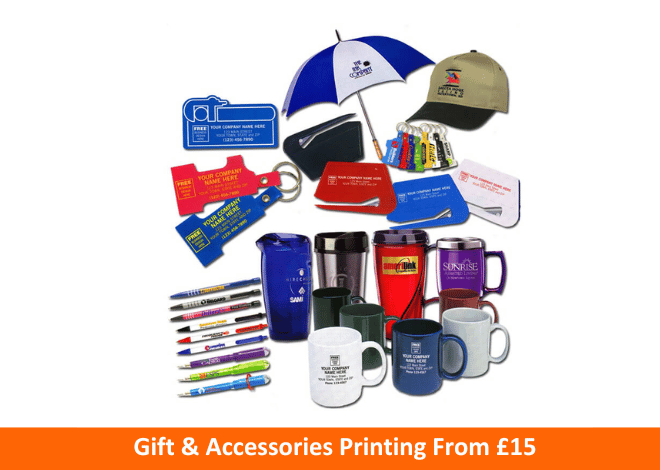
- Promotional Items: Branded promotional items like pens, notepads, and keychains serve as thoughtful gifts for pet owners, reinforcing the Animal Rehabilitation Center’s brand and fostering a positive relationship.
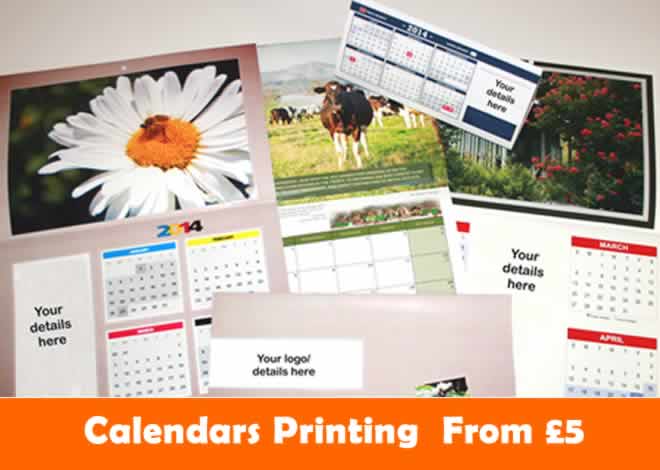
- Internal Communication Tools: Customized notepads, calendars, and stationery contribute to streamlined internal communication, fostering an organized workflow among center staff.
Top 10 Questions and Answers about Printing for Animal Rehabilitation Centers:
- Q: Why is professional printing important for Animal Rehabilitation Centers? A: Professional printing is essential for creating a reputable and trustworthy image, facilitating effective communication with clients and referring practitioners, and optimizing the overall success of rehabilitation therapy.
- Q: What printing materials are crucial for educating pet owners about rehabilitation procedures? A: Brochures, flyers, posters, and pamphlets play a vital role in educating pet owners about rehabilitation procedures, treatment plans, and post-rehabilitation care.
- Q: How can appointment cards benefit Animal Rehabilitation Centers? A: Professionally printed appointment cards serve as practical reminders for pet owners, ensuring timely attendance at rehabilitation sessions and contributing to therapy success.
- Q: What role does branded apparel play in the professional appearance of an Animal Rehabilitation Center? A: Branded apparel contributes to a unified and professional appearance within the center, reinforcing the center’s image and fostering client trust.
- Q: How can customized patient forms and records benefit Animal Rehabilitation Centers? A: Customized patient forms and records contribute to a well-organized system, ensuring accurate documentation and streamlined administrative processes within the center.
- Q: Why is compliance with legal and regulatory requirements crucial in healthcare printing for Animal Rehabilitation Centers? A: Compliance ensures that printed materials adhere to legal and regulatory standards, mitigating risks for the center and contributing to overall professionalism.
- Q: How can Printing Cafe assist Animal Rehabilitation Centers with their printing needs? A: Printing Cafe offers a comprehensive range of printing services, including brochures, business cards, promotional items, and more, with free delivery across the UK and urgent or same-day printing options.
- Q: What benefits do customized packaging boxes bring to Animal Rehabilitation Centers? A: Customized packaging boxes ensure a convenient and organized storage solution for pet belongings, enhancing the overall rehabilitation experience.
- Q: How can promotional items contribute to a positive relationship with pet owners? A: Branded promotional items serve as thoughtful gifts, fostering a positive relationship with pet owners and reinforcing the Animal Rehabilitation Center’s brand.
- Q: Why is internal communication important within an Animal Rehabilitation Center, and how can printing contribute to it? A: Internal communication is crucial for a streamlined workflow. Customized notepads, calendars, and stationery contribute to effective communication among center staff, enhancing overall efficiency.
Conclusion:
In conclusion, professional printing services are indispensable for the success of Animal Rehabilitation Centers. From educating pet owners and fostering compliance to creating a professional image and facilitating internal communication, the diverse range of printing materials provided by Printing Cafe caters to the unique needs of these centers. By partnering with Printing Cafe, Animal Rehabilitation Centers can not only meet their printing requirements but also enhance their overall image, client relationships, and community presence, contributing to the well-being and rehabilitation success of the animals in their care.